
The design of a data center is based on proven methodologies, such as the RIBA Plan of Work, as well as recognized international technical standards, notably those of the Uptime Institute.
However, these frameworks must be adapted to the specific characteristics of each territory: climatic conditions, energy availability and quality, water resources, regulations, and available skills.
Taking into account the local context from the design phase allows for the development of high-performance, resilient infrastructures capable of sustainably meeting the needs of the territory.

Digital sovereignty is not solely based on the location of infrastructures. It also depends on the ability of public and private actors to measure their performance, understand their impacts, and decide on their evolution.
Indicators such as PUE, which measures the energy efficiency of a data center, or WUE, dedicated to its water usage, provide essential data for management. Life cycle analysis, for its part, allows for a broader evaluation of an infrastructure's environmental impacts.
Mastering these tools helps decision-makers make their own trade-offs and maintain control over the performance and evolution of their digital infrastructures.
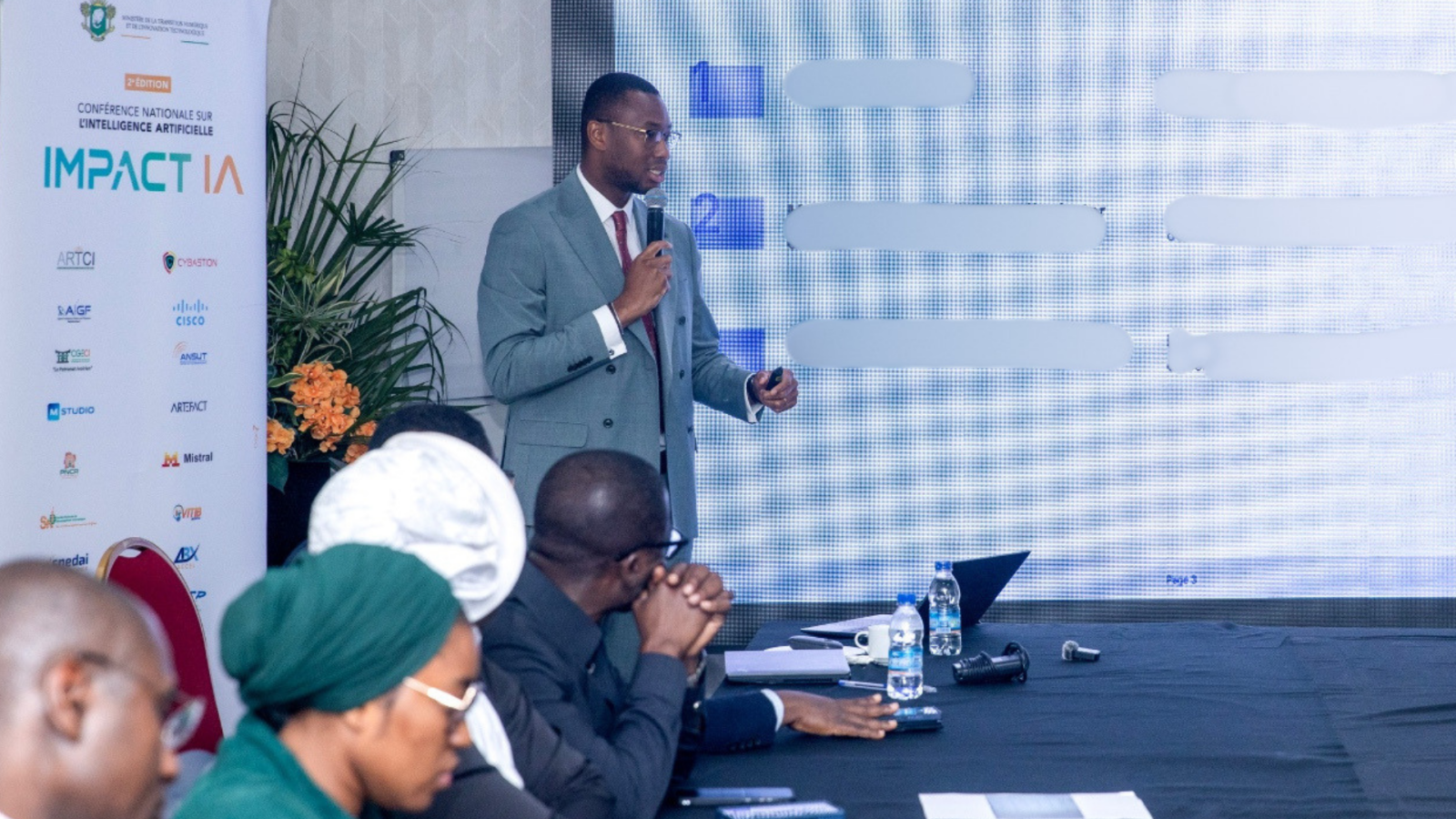
The delivery of a turnkey infrastructure is not enough to guarantee its long-term autonomy. Local teams must be able to understand its operation, ensure its exploitation, and support its future evolutions.
Training, operational support, and sharing of methods thus contribute to the development of skills and the autonomy of organizations. This transfer of know-how must be integrated into the project from its conception and continue throughout the infrastructure's life cycle.
For APL Data Center, a sovereign digital infrastructure must be designed for its territory, managed based on controlled data, and operated by local skills.
This presentation illustrates our experts' commitment to high-performance, sustainable digital infrastructures adapted to the specific challenges of each territory.
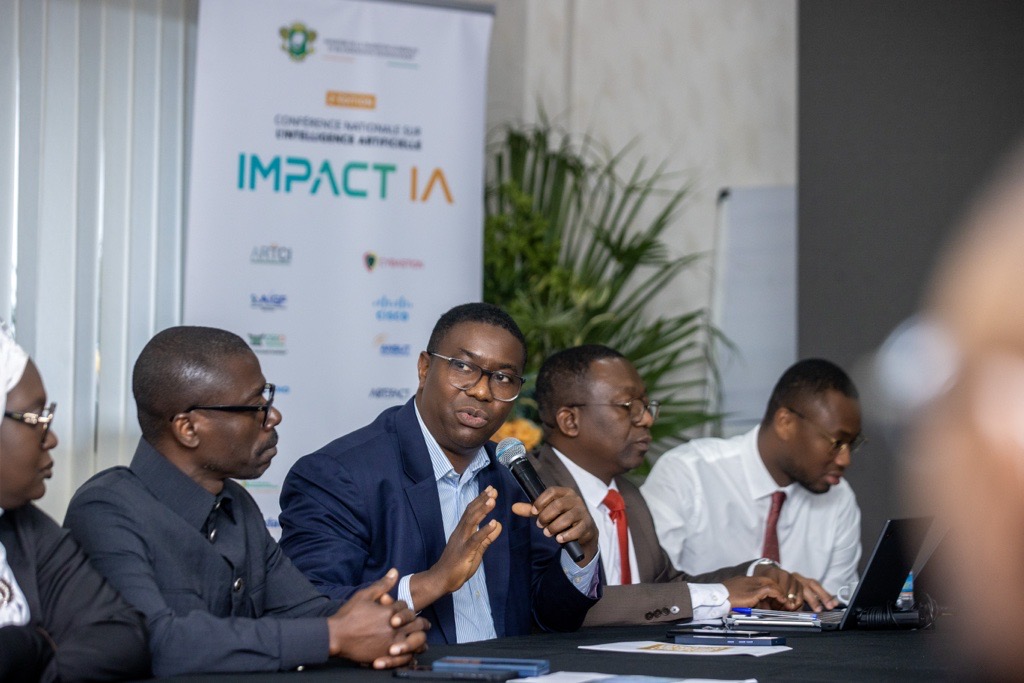
APL Data Center thanks Serge Yao, ANSUT, the organizers of IMPACT AI, and all participants for the quality of the discussions.